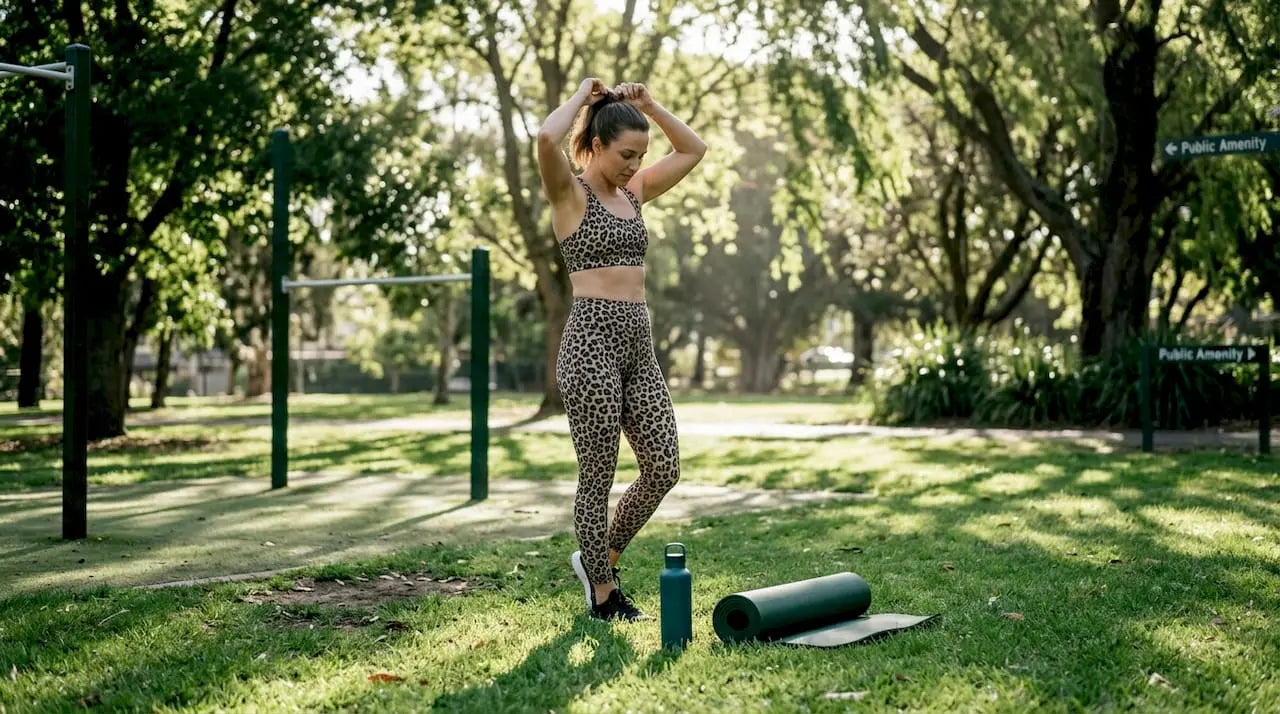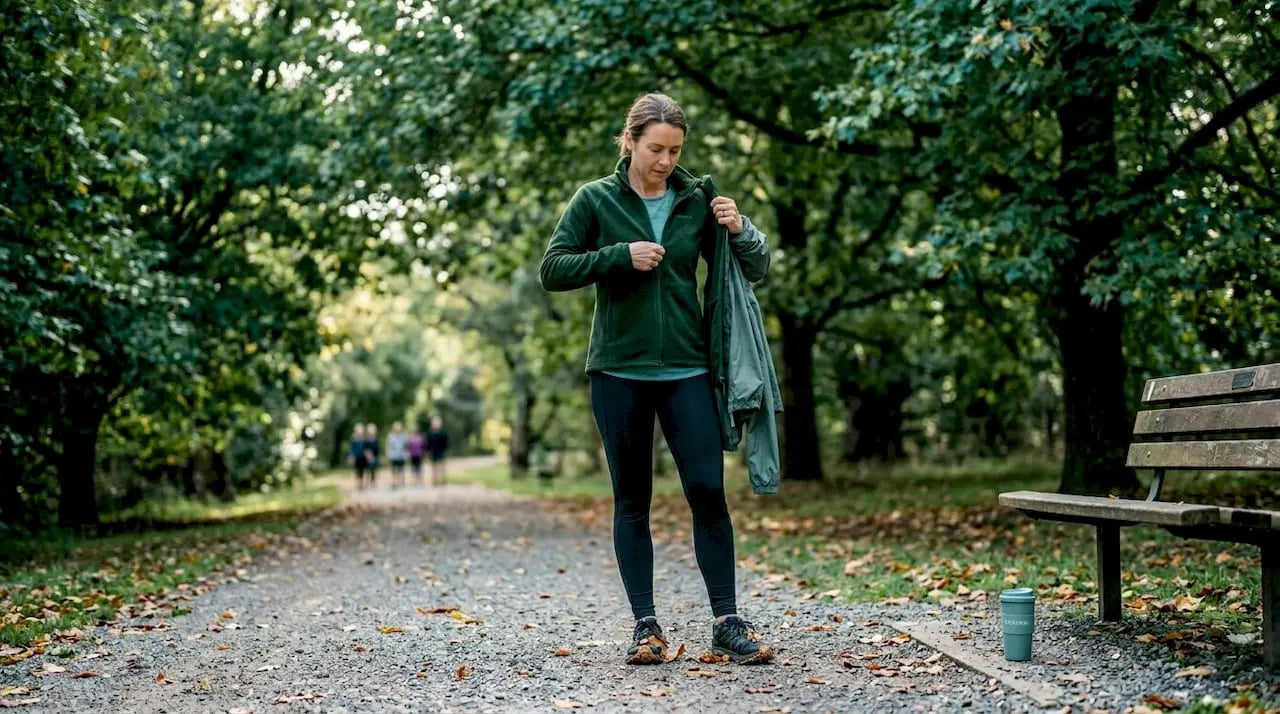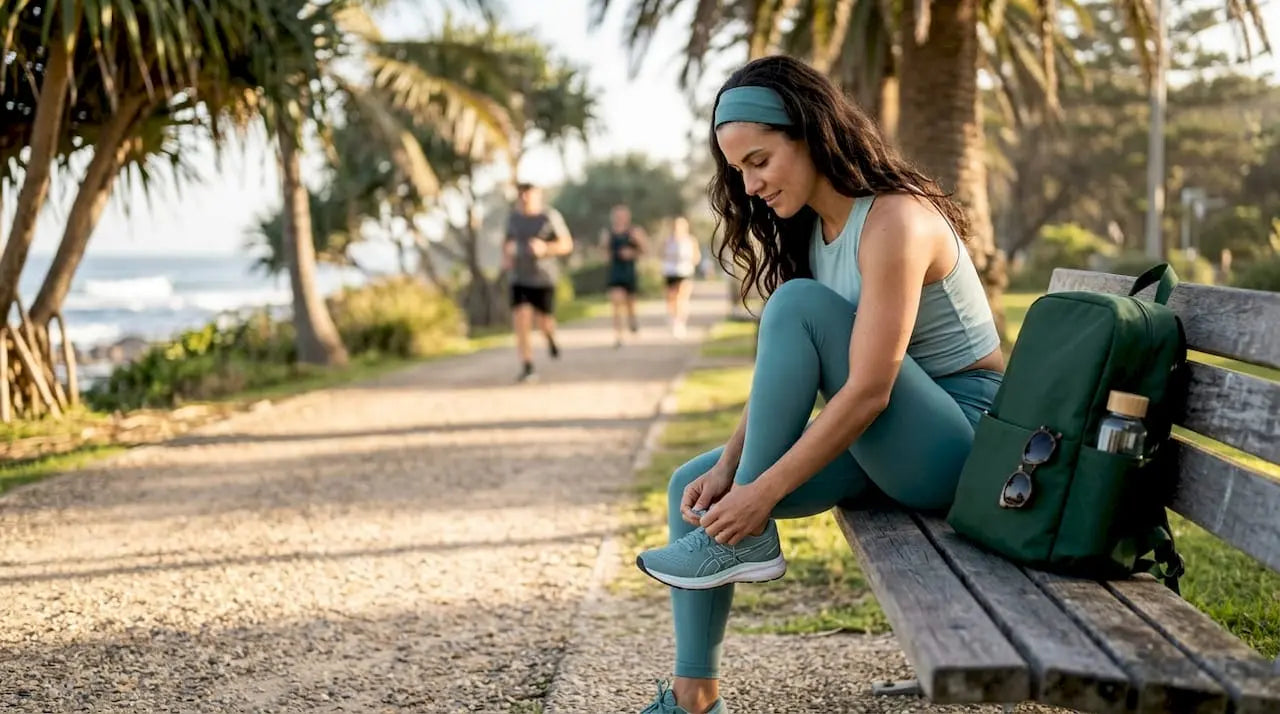
The real role of accessories with activewear
Most people treat accessories as the last thing they add to a workout outfit, the afterthought tucked in a gym bag. That framing undersells them badly. The role of accessories with activewear extends well beyond aesthetics. The right headband keeps sweat out of your eyes during a sprint. The right compression sleeve delays muscle fatigue. The right tote signals that your leggings belong on the street as much as in the studio. This guide breaks down exactly how accessories influence your performance, your comfort, and how your outfit reads in the world.
Table of Contents
- Key takeaways
- The role of accessories with activewear: what the science says
- From gym to street: how accessories shift your look
- Weighted vests and performance-intensity accessories
- Choosing accessories for your sport and environment
- Building your activewear accessory wardrobe
- My take on accessories and activewear
- Discover your perfect activewear accessories at Skoki Maev
- FAQ
Key takeaways
| Point | Details |
|---|---|
| Accessories affect performance | Sweat management and compression gear directly improve grip, clarity, and endurance during exercise. |
| Style and function can coexist | Choosing accessories with a clear purpose, whether athletic or fashion, creates stronger outfit cohesion. |
| Weighted vests need active use | Passive wear offers no benefit; gradual integration during movement unlocks real calorie and strength gains. |
| Recovery accessories are underrated | Cooling towels and similar tools speed up post-workout comfort and are often overlooked. |
| Tailored selection beats generic | Matching accessories to your specific sport, climate, and body contact zones delivers the best results. |
The role of accessories with activewear: what the science says
The conversation about accessories in fitness usually stays surface level. You hear about matching colours or picking a trendy crossbody bag. What rarely gets discussed is the measurable, physical impact accessories have on how your body performs.
Headbands and wristbands prevent sweat from reaching your eyes and hands, which directly improves visual clarity and grip during training. That is not a minor comfort tweak. If you are mid-set on a deadlift or halfway through a hot yoga class, blurred vision or a slipping grip changes the quality of your movement and your safety.
Compression sleeves are another example where the accessory impact on workout goes deeper than most people realise. Compression sleeves regulate blood circulation and reduce muscle vibration, which delays the onset of fatigue. For endurance athletes or anyone doing high-rep training, that delay matters.
Then there is the heat factor. A cooling headband during a 70-minute run in hot, humid conditions has been shown to preserve thermal comfort and limit performance decline. If you train outdoors in summer, this is not a luxury item. It is a practical tool.
For outdoor sports, sports goggles and facial protectors shield against UV rays, wind, and physical impacts, enhancing both safety and performance reliability. Cyclists and runners who skip eye protection often underestimate how much wind and glare affect their focus and reaction time.
Here is a quick summary of functional accessories and what they actually solve:
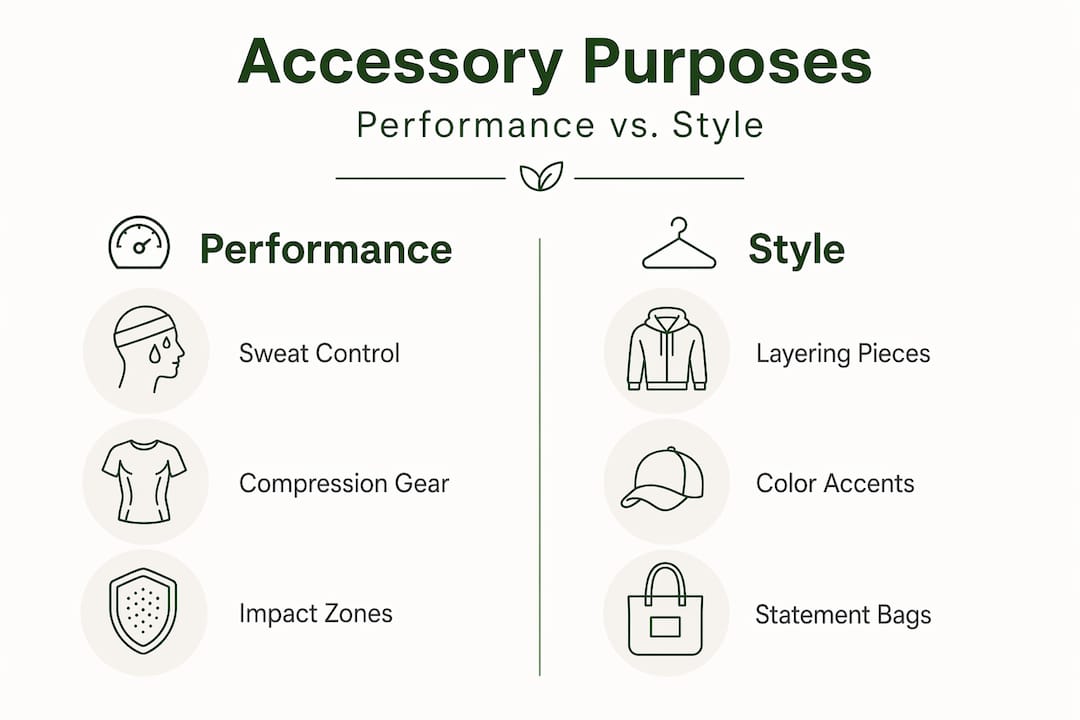
- Headbands and wristbands: Sweat control at contact zones, improving grip and vision
- Compression sleeves: Circulation support and reduced muscle vibration
- Cooling headbands: Thermal regulation in hot or humid training environments
- Sports goggles: UV and wind protection for outdoor activities
- Protective gloves: Enhanced grip strength for lifting, cycling, and climbing
Pro Tip: Choose accessories that target the specific body zones where sweat, fatigue, or impact are most likely to interfere with your training. Generic accessories worn for looks alone rarely solve the right problem.
From gym to street: how accessories shift your look
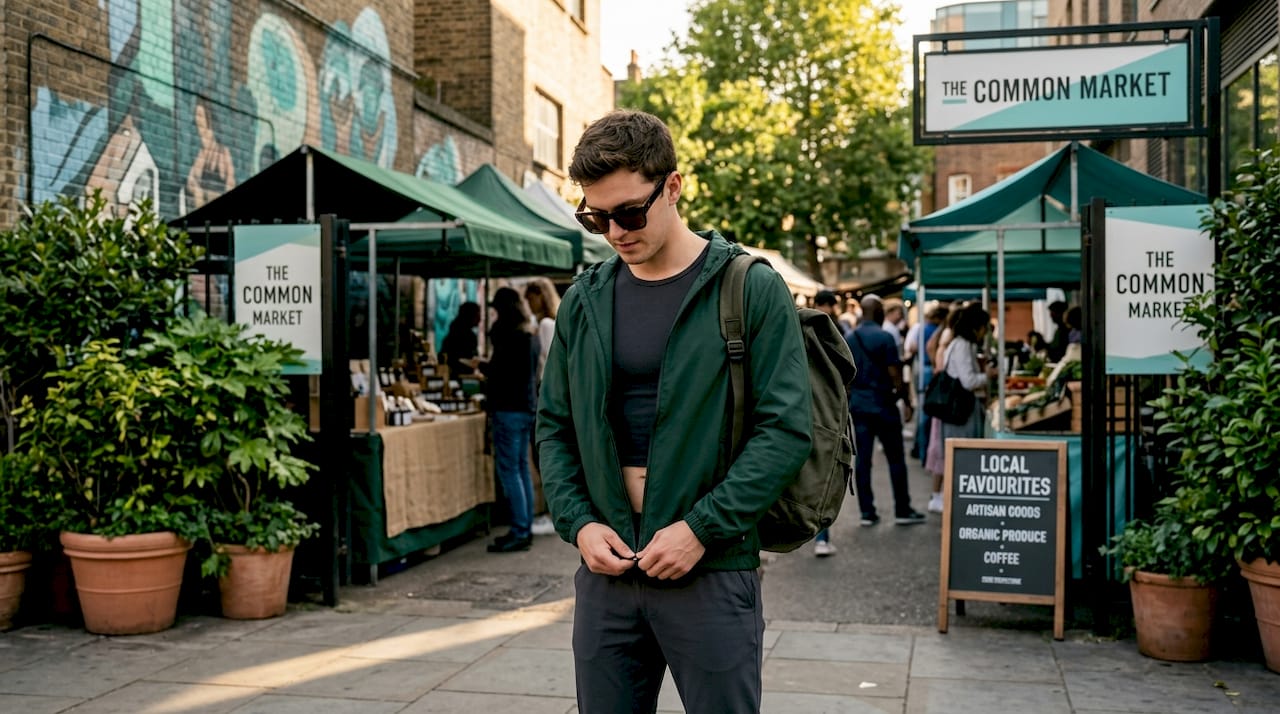
The importance of accessories in fitness is not limited to performance. There is a real style dimension here, and it is more deliberate than most people give it credit for.
Activewear accessories act as tone setters, shifting an outfit from workout mode to streetwear without changing the base pieces. Swap your gym trainers for a pair of ballet flats, throw on a knit sweater, add a structured tote and oversized sunglasses, and the same leggings that looked purely athletic now read as a considered street outfit. That transformation is almost entirely driven by the accessories.
“The most stylish activewear looks are rarely about the leggings or sports bra alone. They are about what surrounds them.” This is the principle that separates a polished athleisure outfit from a gym outfit worn outside.
Windbreakers and layering pieces add another dimension. A sleek windbreaker over a crop top introduces texture and structure that makes an activewear outfit feel intentional rather than accidental. Colour coordination matters here too. When your accessories share a palette with your base pieces, the outfit reads as a whole rather than a collection of separate items.
The key principle from Vogue-approved styling is coherence over randomness. Mixing functional accessories with fashion ones works best when there is a clear visual logic connecting them. A sporty cap with a sleek crossbody bag and neutral tones creates cohesion. A reflective vest with a designer bag and mismatched colours does not.
Here are some of the best accessories for activewear that work across both gym and street contexts:
- Structured totes or bucket bags: Practical for carrying gear, polished enough for a café stop
- Oversized sunglasses: Instantly elevate any activewear look outdoors
- Knit or ribbed sweaters: Add warmth and texture without losing the athletic silhouette
- Minimalist caps or beanies: Functional for sun or cold, and easy to style
- Ballet flats or clean white sneakers: The footwear pivot that takes an outfit off the track
Weighted vests and performance-intensity accessories
Not all accessories are about sweat or style. Some are about making your workouts harder in a controlled, productive way. Weighted vests sit in this category, and they are worth understanding properly before you invest in one.
Weighted vests increase energy expenditure only during active movement. Wearing one while sitting at a desk or standing still does nothing for your calorie burn or strength. The benefit is tied entirely to the activity you pair it with.
Here is how to integrate a weighted vest effectively:
- Start light. Begin with a vest that adds no more than 5% of your body weight. Jumping straight to heavy loads increases injury risk, particularly for your joints and lower back.
- Add it to walking first. Walking with a weighted vest is one of the most accessible entry points. Gradual use up to 10 pounds over a year has been shown to improve calorie burn and strength when combined with consistent movement.
- Check the fit before every session. Adjustable straps and a snug fit prevent the vest from shifting during movement, which reduces joint stress and keeps the load distributed evenly.
- Progress slowly. Increase weight by no more than one to two pounds every few weeks, and only when the current load feels manageable throughout a full session.
- Track your response. Monitor how your body feels in the 24 hours after a weighted session. Unusual joint soreness or fatigue is a signal to reduce the load, not push through.
Pro Tip: A weighted vest is a complement to your existing routine, not a replacement for progressive training. Use it as one tool among many, not as a shortcut to faster results.
Choosing accessories for your sport and environment
Accessories should address specific workout challenges rather than serve as decoration. That principle sounds obvious, but it is frequently ignored when activewear accessory trends drive purchases instead of genuine need.
The most useful framework is to think in terms of contact zones and conditions. Where does sweat, impact, or environmental exposure most affect your performance? Start there.
| Activity type | Key challenge | Recommended accessory |
|---|---|---|
| Outdoor running | Sweat, UV, wind | Cooling headband, sports sunglasses |
| Weightlifting | Grip, wrist stability | Wristbands, lifting gloves |
| Hot yoga or HIIT | Thermal discomfort | Cooling headband, sweat-wicking wristbands |
| Cycling | UV, wind, impact | Sports goggles, cycling safety gear |
| Post-workout recovery | Heat, muscle soreness | Cooling towel, compression sleeves |
Cooling towels are one of the most undervalued recovery accessories available. Wet, wrung out, and applied to the neck or wrists after a session, they create a cooling sensation that lasts an hour or more. For anyone training in summer or in heated studios, this is a genuinely useful addition to a gym bag.
A few tailored examples:
- Outdoor cyclists benefit most from goggles and high-visibility gear, where safety and performance overlap
- Studio athletes (yoga, Pilates, barre) get the most from grip socks and sweat-control headbands
- Runners in summer should prioritise cooling headbands and UV-protective eyewear over decorative pieces
- Gym lifters need wrist support and gloves more than any fashion accessory
Building your activewear accessory wardrobe
Knowing which accessories work is one thing. Knowing how to build a collection that serves you across different workouts, climates, and occasions is where most people get stuck.
The most common mistake is over-accessorising. Wearing multiple bold accessories at once rarely improves either performance or style. It usually creates visual noise and practical friction. The better approach is to build gradually, adding one or two pieces that solve a real problem or fill a genuine style gap.
Here are some practical guidelines for putting it all together:
- Start with function. Identify the two or three moments in your training where discomfort or performance drops consistently. Buy accessories that address those moments first.
- Add style pieces second. Once your functional base is covered, choose one or two accessories that work across gym and street contexts.
- Care for your accessories properly. Headbands, compression sleeves, and gloves accumulate bacteria and break down faster when washed incorrectly. Follow care labels and air dry where possible to extend their life.
- Audit regularly. Every few months, assess what you actually use. Accessories that sit unused are not serving your fitness or your wardrobe.
Pro Tip: Functional accessory selection drives motivation and task commitment more than purely aesthetic choices. When your accessories genuinely help you perform better, you are more likely to show up consistently.
My take on accessories and activewear
I have spent years watching activewear trends cycle through and come back around. What I have noticed is that the accessories conversation almost always lags behind the clothing conversation. Everyone has an opinion on the best leggings or the most flattering sports bra. Far fewer people think carefully about what they put with those pieces.
In my own routine, the shift came when I stopped treating accessories as finishing touches and started treating them as part of the outfit’s job. A cooling headband on a summer run genuinely changed how I felt in the last kilometre. Compression sleeves on a long hike made the day after noticeably less brutal. These were not placebo effects. They were the result of choosing accessories that matched what I was actually doing.
The trend side of things is trickier. I think activewear accessory trends sometimes push people toward pieces that look great in a flat lay but do nothing useful in motion. A sculptural bag or a statement belt might photograph beautifully, but if it shifts during a workout or adds no value to your recovery, it is just weight you are carrying.
My honest advice is to let function lead and let style follow. When you find accessories that do both, hold onto them. They are rarer than the market suggests.
— Katie
Discover your perfect activewear accessories at Skoki Maev
If you are ready to put these principles into practice, Com has done the work of curating pieces that genuinely earn their place in your wardrobe.
At Skoki Maev, the focus is on women’s performance activewear and athleisure that balances real function with considered style. Whether you are after sweat-control basics, layering pieces that transition from studio to street, or recovery tools that make a real difference, the collection is built around how women actually train and live. Browse the full range at Skoki Maev activewear and find accessories and apparel that work as hard as you do.
FAQ
What is the role of accessories with activewear?
Accessories in activewear serve both functional and aesthetic purposes. They can improve grip, manage sweat, support circulation, protect against environmental conditions, and shift the visual tone of an outfit from athletic to everyday wear.
How do accessories enhance activewear performance?
Specific accessories like headbands, wristbands, and compression sleeves address performance challenges directly. Sweat management and circulation support improve clarity, grip, and endurance during training.
What are the best accessories for activewear in hot conditions?
Cooling headbands and cooling towels are the most effective choices. A cooling headband during extended exercise in heat has been shown to preserve thermal comfort and limit performance decline.
Do weighted vests actually work?
Yes, but only during active movement. Weighted vests increase energy expenditure when used during walking or exercise, with gradual progression up to 10 pounds over time improving both calorie burn and strength.
How do I style activewear accessories for everyday wear?
Choose accessories with a coherent visual logic. Pairing leggings with ballet flats, a structured tote, and oversized sunglasses creates a polished athleisure look. The goal is cohesive outfit styling rather than mixing pieces randomly.