Sport-specific clothing design: what it is and why it matters
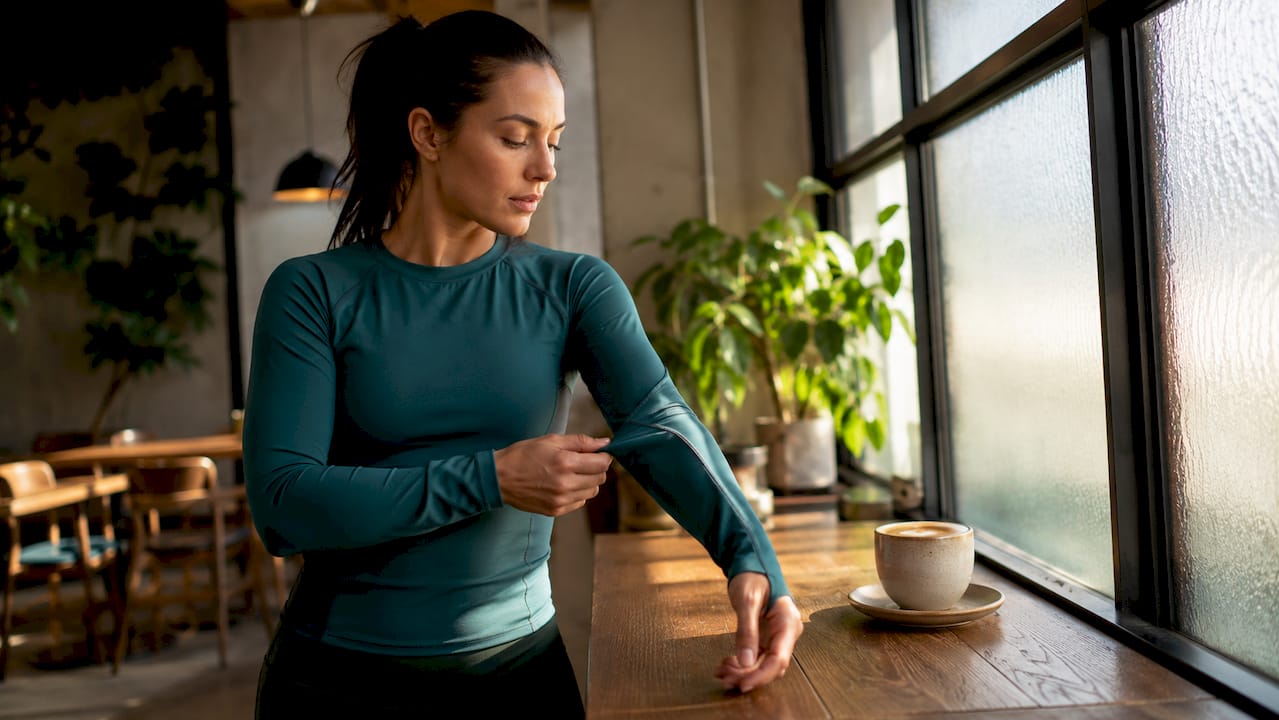
Sport-specific clothing design is the engineering of athletic apparel tailored to the precise physical and performance demands of individual sports, prioritising comfort, mobility, and safety over general fashion. Unlike everyday clothing, sportswear is designed for activities like swimming, cycling, and gymnastics, where the garment must work with the body rather than against it. The discipline draws on biomechanics, advanced fabric science, and sport physics to create apparel that genuinely changes how athletes move, feel, and perform. A well-designed cycling kit reduces aerodynamic drag. A properly constructed swimsuit manages water resistance at the skin surface. These outcomes are not accidental. They are the result of deliberate, science-backed design decisions that separate performance apparel from standard activewear.
What is sport-specific clothing design?
Sport-specific clothing design is the practice of creating garments engineered for the unique movement patterns, environmental conditions, and physical stresses of a single sport or activity. The industry term for this discipline is performance apparel design, and it sits at the intersection of textile science, biomechanics, and manufacturing precision. Where general activewear aims for broad comfort across activities, performance apparel design targets a narrow set of demands with high specificity.
The goals are threefold: optimise physical performance, protect the athlete from injury or environmental harm, and maintain comfort across the full duration of activity. A ski suit, for example, must manage wind resistance, thermal insulation, and freedom of movement simultaneously. A sport-specific jersey for cycling must reduce drag while allowing the torso to rotate and breathe. These are not problems solved by choosing a stretchy fabric and cutting it into a shirt.
Research confirms that clothing comfort and motivation are linked, meaning well-designed gear affects not just physical output but also an athlete’s mental engagement with their sport. This is why the field has grown well beyond purely functional concerns. Athletes aged 18 to 40 are increasingly aware that what they wear directly shapes how they train and compete.
How does biomechanics shape garment construction?
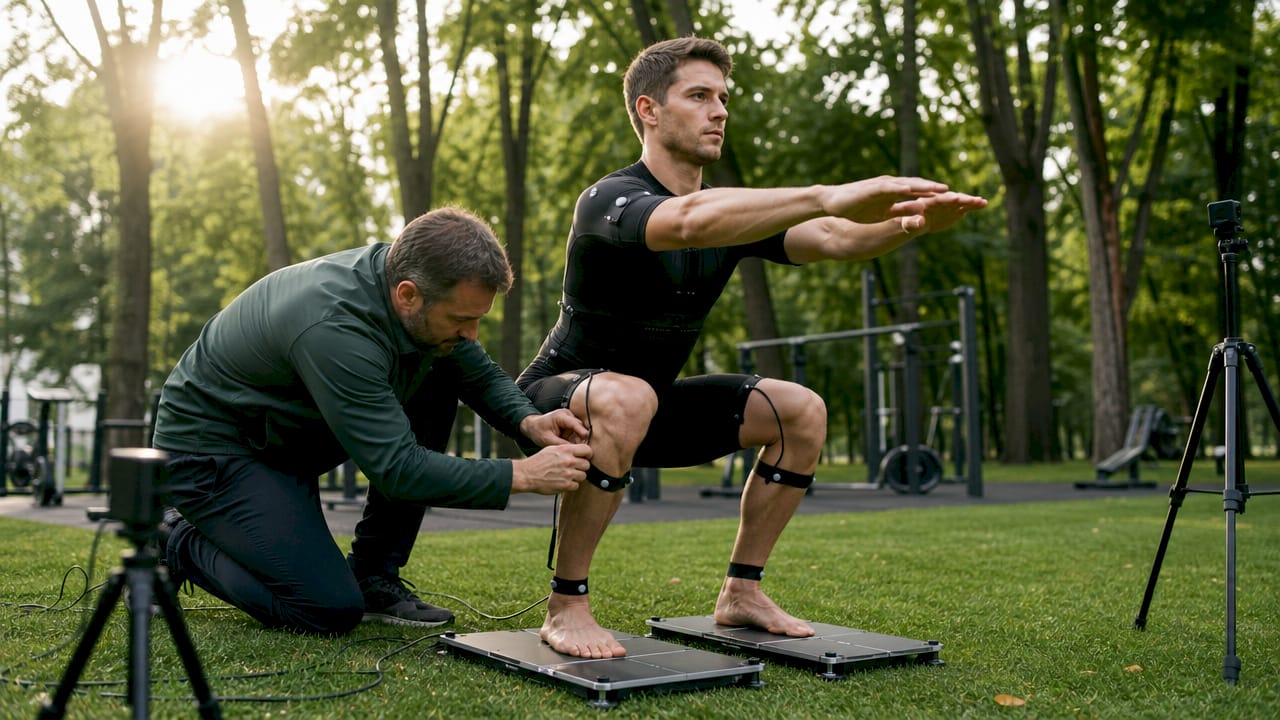
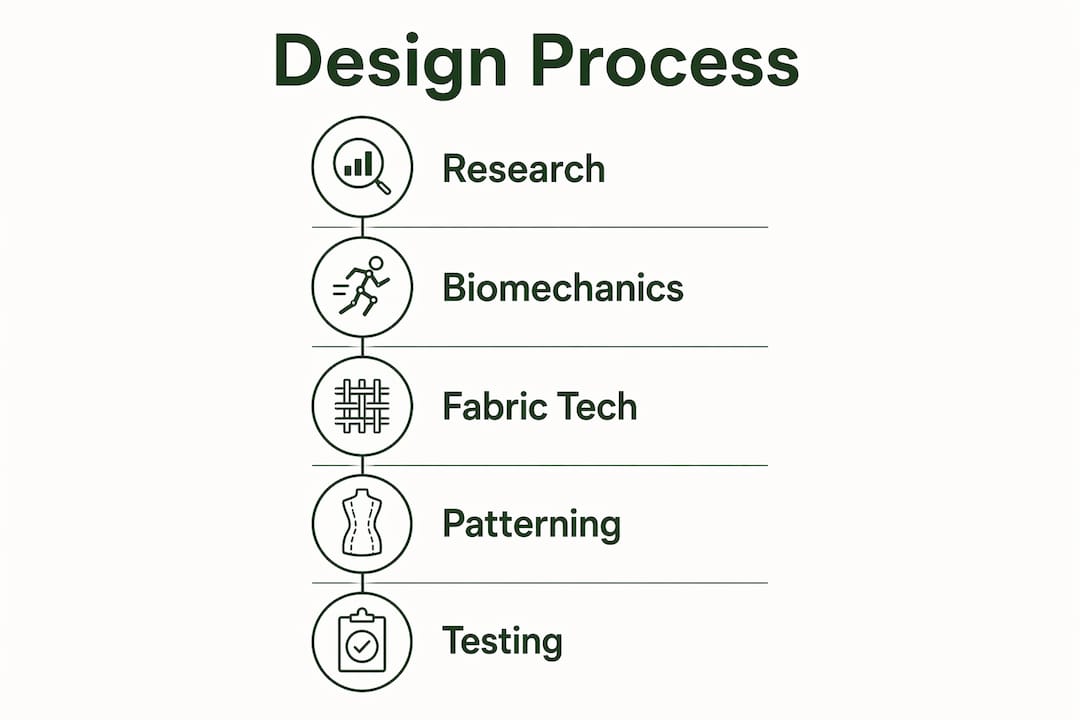
Performance apparel patterning blends scientific knowledge of biomechanics with creativity to balance athlete support and freedom of movement while reducing injury risk. Biomechanics, the study of how the body moves under physical load, tells designers exactly where a garment will pull, compress, or restrict during sport-specific motion. Without this analysis, even well-intentioned design choices create discomfort or limit performance.
Body mapping is the practical application of biomechanics in garment construction. Designers analyse high-friction and high-sweat areas to determine fabric weight, ventilation placement, seam positioning, and stretch zones. In running apparel, the inner thigh and underarm are high-friction zones that require flat seams or seamless construction. In cycling, the hip flexor region demands four-way stretch to accommodate the repetitive pedalling motion without bunching or binding.
Key biomechanical design features include:
- Gussets and articulated shaping that reduce seam tension in high-movement zones like the crotch and shoulder
- Stretch zones positioned at joints and muscle bellies to allow full range of motion
- Seam placement mapped away from pressure points and friction-prone surfaces
- Compression panels placed over specific muscle groups to reduce vibration and fatigue
Pro Tip: If a garment creates visible pulling or bunching when you replicate your sport’s primary movement (a squat, a lunge, a reach overhead), the biomechanical mapping is inadequate. Test apparel in motion, not just standing still.
Compression gear presents a specific construction challenge. Compression stitching requires a 4-needle 6-thread flatlock construction to stretch without seam failure under load. This level of specificity is what separates a genuine compression garment from one that simply looks the part.
What role do fabric technologies play in performance?
Fabric technology is the core of what makes athletic wear unique, and the gap between standard textiles and high-performance sportswear fabrics is measurable. A 2026 peer-reviewed study reports a moisture-vapour transmission rate of 11,320 g/(m²·24 h), elastic recovery of 95.6%, and a friction coefficient of 0.37 in high-performance sportswear textiles. These figures translate directly to reduced athlete fatigue, better skin microclimate management, and lower chafing risk during extended training.
Measured fabric properties like moisture-vapour transmission and elastic recovery are stronger indicators of real comfort and performance than subjective breathability claims on a hangtag. This matters when you are choosing between two garments that both claim to be “breathable.” One has data behind it. The other has marketing.
The most relevant fabric properties for sport-specific apparel include:
- Moisture-vapour transmission rate (MVTR): how quickly sweat vapour passes through the fabric, directly affecting skin temperature
- Elastic recovery: the fabric’s ability to return to its original shape after stretching, critical for compression garments and form-fitting cuts
- Coefficient of friction: lower values reduce skin abrasion during repetitive movement
- Thermal regulation: the fabric’s capacity to manage heat exchange between the body and environment
Fabric design must match athlete exertion and environmental conditions precisely, meaning a fabric that performs well in a cool gym may fail during an outdoor summer session. Composite fibre structures, such as nylon-elastane blends or polyester-spandex weaves, are engineered to balance these competing demands across a range of conditions.
Pro Tip: When reading a fabric label, look for the elastane or spandex percentage alongside the primary fibre. A 15 to 20 per cent elastane content typically indicates four-way stretch suitable for high-mobility sports. Below 8 per cent is better suited to lower-intensity or structured garments.
How do sport-specific physics influence design?
The physical demands of each sport create a distinct set of design constraints that go well beyond fabric choice. Sportswear construction is driven by sport-specific physics: aerodynamic dimpled textures for cycling, mesh ventilation in high-sweat zones, and variable stretch or abrasion resistance depending on the activity. A sprinter’s suit and a yoga set share almost no design logic despite both being athletic garments.
The table below illustrates how design features map to sport-specific demands:
| Sport | Primary design priority | Key feature |
|---|---|---|
| Cycling | Aerodynamic drag reduction | Dimpled or smooth-surface fabrics, close-cut silhouette |
| Swimming | Water resistance and buoyancy | Hydrophobic coatings, bonded seams, compression panels |
| Running | Moisture management and mobility | Mesh ventilation, flat seams, four-way stretch |
| Yoga | Full range of motion | High elastane content, squat-proof opacity, minimal seaming |
| Weightlifting | Abrasion resistance and stability | Reinforced panels at bar contact zones, structured waistbands |
| Contact sports | Durability and protection | High-tenacity fibres, padded zones, abrasion-resistant overlays |
Ventilation mapping is one of the more technically demanding aspects of sport-specific design. Mesh panels are not placed arbitrarily. Designers use thermal imaging and sweat-rate data to identify the body regions that generate the most heat during sport-specific exertion, then position open-structure fabrics precisely over those zones. For cycling apparel, ventilation considerations extend to the helmet interface, where helmet ventilation design and garment collar construction must work together to manage airflow across the neck and upper back.
Pro Tip: Abrasion resistance is often overlooked by recreational athletes. If your sport involves contact with equipment, a mat, or the ground, check the fabric’s Martindale abrasion rating before purchasing. A rating below 20,000 cycles will show wear quickly in high-contact zones.
Why do tech packs determine garment quality?
A tech pack is the manufacturing blueprint that translates design intent into a reproducible, functional garment. Tech packs are detailed specifications that include design intent, fabric specs such as GSM and stretch recovery, exact seam and stitch instructions, tolerances, and quality control protocols for consistent sport-specific apparel production. Without a precise tech pack, the same design can produce dramatically different results across production runs.
The components of a sportswear tech pack that directly affect performance include:
- Fabric specification: fibre composition, GSM (grams per square metre), stretch percentage, and recovery rate
- Seam and stitch type: flatlock, overlock, or bonded seam selection based on friction and stretch requirements
- Tension tolerances: the acceptable range of stitch tension to prevent seam failure under load
- Grading rules: how the pattern scales across sizes to maintain fit proportions
- Quality control checkpoints: stretch tests, wash tests, and dimensional stability checks before production approval
Loose tolerances or vague specs lead to fit loss and compromised performance, particularly in compression and high-stress zones. A compression legging with an incorrectly specified waistband GSM will lose its hold after a few washes. A running top with the wrong stitch tension at the underarm seam will fail mid-session. These are not hypothetical failures. They are the predictable outcome of inadequate technical documentation.
Industry-standard tech packs with tight tolerances are non-negotiable for high-stretch compression fit zones. This is why working with manufacturers who understand performance apparel specifications, rather than general garment producers, produces a measurably better result.
How to choose sport-specific apparel that actually works
Selecting the right performance apparel requires more than picking a colour or brand. The garment must match the specific demands of your sport, your training environment, and your body’s movement patterns.
Consider these practical criteria when evaluating sport-specific clothing:
- Match the garment to your sport’s primary movement. A garment designed for yoga will not hold up to the abrasion demands of CrossFit. Check that the fabric and construction align with your actual activity.
- Read the fabric composition label. Look for performance fibres like polyester, nylon, or elastane rather than cotton, which retains moisture and loses shape under sweat load.
- Assess seam placement before buying. Run your hand along the inner thigh, underarm, and waistband seams. Raised or bulky seams in these zones will cause chafing during extended sessions.
- Test mobility in the fitting room. Perform a squat, a lunge, and a reach overhead. The garment should move with you without pulling, gaping, or riding up.
- Use a layering system for variable conditions. Layering systems combine moisture-wicking base layers, insulating mid-layers, and protective outer shells, and each layer must interact without restricting movement or trapping moisture.
- Follow care instructions precisely. High-performance fabrics degrade when washed at incorrect temperatures or tumble-dried. Preserving elastic recovery and moisture-wicking function requires cold-water washing and air drying.
Key takeaways
Sport-specific clothing design works because it applies biomechanics, fabric science, and manufacturing precision together to produce garments that enhance performance, protect the body, and sustain comfort across the full demands of each sport.
| Point | Details |
|---|---|
| Biomechanics drives construction | Body mapping determines seam placement, stretch zones, and gusset positioning for sport-specific movement. |
| Fabric data beats marketing claims | Measured properties like MVTR and elastic recovery predict real comfort better than subjective breathability labels. |
| Sport physics shapes every feature | Aerodynamics, abrasion resistance, and ventilation requirements differ by sport and must be designed in from the start. |
| Tech packs determine quality | Precise manufacturing specifications prevent fit loss and performance failure, especially in compression garments. |
| Selection requires active testing | Test apparel in sport-specific movement patterns before committing, and match fabric composition to your activity’s demands. |
Why I think most people underestimate what goes into their kit
I have spent years working with performance apparel, and the single most common misconception I encounter is that sport-specific design is primarily about aesthetics with a bit of stretch added. It is not. The design decisions that matter most are invisible: the stitch type holding a compression seam together under load, the GSM of a waistband that determines whether it holds its shape after 50 washes, the precise placement of a mesh panel that keeps your core temperature manageable during a hard session.
What I find genuinely fascinating is how much the psychological dimension is underestimated. Research confirms that clothing functionality and protection perceptions influence athlete motivation and performance orientation. In plain terms: wearing gear that you know is engineered for your sport changes how you approach training. It is not vanity. It is a documented performance input.
The trend I am watching most closely in 2026 is the integration of real-time microclimate data into fabric development. Designers are now testing textiles under simulated training conditions rather than relying on static lab measurements. This shift means the next generation of performance apparel will be validated against actual exertion profiles, not just theoretical benchmarks.
My honest advice: stop treating your kit as an afterthought. The athletes who invest in understanding what their apparel is actually doing for their body are the ones who train more consistently, recover faster, and stay injury-free longer. That is not a coincidence.
— Katie
Explore performance apparel designed for your sport
If you are ready to move beyond generic activewear and invest in clothing that is genuinely engineered for your training, Com at Skoki Maev specialises in women’s performance activewear built around the principles covered in this article.
Skoki Maev’s range is designed with sport-specific construction in mind, from fabric selection through to seam placement and fit. Whether you train in the gym, on the road, or in the studio, the right garment makes a measurable difference. Explore the women’s performance activewear collection to find apparel matched to your activity and built to last through serious training.
FAQ
What is sport-specific clothing design?
Sport-specific clothing design is the engineering of athletic apparel for the precise demands of a single sport or activity, prioritising performance, comfort, and safety over general fashion fit. It incorporates biomechanics, fabric technology, and manufacturing precision to produce garments that work with the body during sport-specific movement.
What makes athletic wear different from regular clothing?
Athletic wear uses performance fabrics with measured properties like high moisture-vapour transmission, elastic recovery, and low friction coefficients, combined with biomechanically informed construction such as flat seams, stretch zones, and ventilation mapping. Regular clothing is not engineered to manage sweat, support movement patterns, or withstand the physical stresses of sport.
How do fabric properties affect athletic performance?
A 2026 study found that high-performance sportswear textiles with an elastic recovery of 95.6% and a friction coefficient of 0.37 directly reduce athlete fatigue and improve skin microclimate management. These measurable properties outperform subjective claims like “breathable” or “lightweight” as predictors of real comfort during training.
Why does seam placement matter in sportswear?
Seam placement determines where friction and pressure occur against the skin during movement. Seams positioned over high-friction zones like the inner thigh or underarm cause chafing and discomfort, while flat or bonded seams mapped away from these areas allow extended training without skin irritation.
What is a tech pack in sportswear manufacturing?
A tech pack is a detailed manufacturing blueprint specifying fabric composition, GSM, stretch and recovery standards, stitch types, seam tolerances, and quality control protocols. Inadequate tech pack specifications lead to inconsistent fit and premature performance failure, particularly in compression and high-stretch garments.