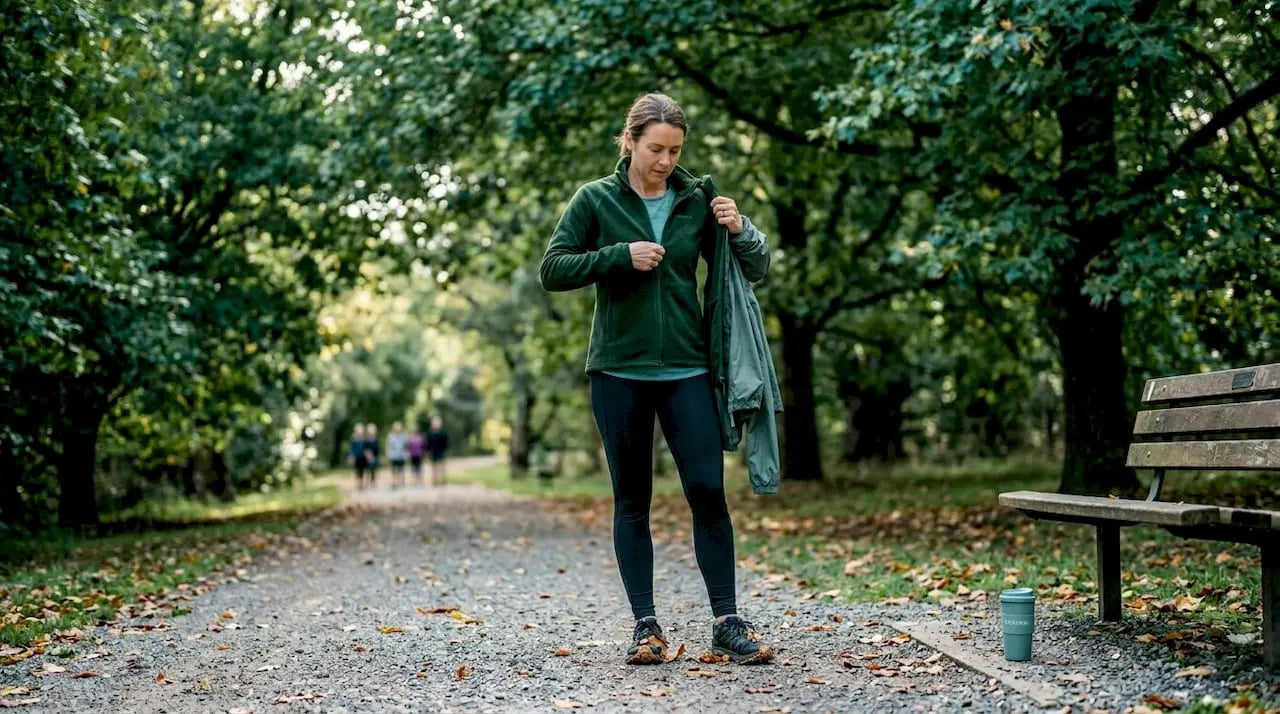
Interlock fabric activewear: what it is and why it matters
If you’ve ever grabbed a pair of leggings or a structured workout top and thought “this feels different,” you’ve probably encountered interlock fabric activewear without knowing it. Most women shopping for activewear focus on fit and colour, but the fabric construction underneath is what actually determines how a garment performs, holds its shape, and feels against your skin after an hour of movement. Interlock is one of the most underrated fabrics in the activewear world, and once you understand what makes it unique, you’ll shop very differently.
Table of Contents
- Key takeaways
- What is interlock fabric activewear, exactly?
- The real benefits of interlock fabric for activewear
- Choosing interlock activewear: what to look for
- Where interlock fabric is used in activewear
- My honest take on interlock fabric
- Discover quality interlock activewear at Skoki Maev
- FAQ
Key takeaways
| Point | Details |
|---|---|
| Interlock is a double-knit fabric | Two interlocked layers create a stable, smooth structure that outperforms single jersey in shape retention. |
| Synthetic blends drive performance | Pure cotton interlock is not moisture-wicking; polyester or spandex blends are needed for effective sweat management in activewear. |
| Weight sits at 180–220 GSM | This heavier weight delivers a premium feel and durability, though it uses more material per garment. |
| Both fabric sides are identical | The reversible smooth surface makes interlock ideal for clean-finish garments and structured activewear pieces. |
| Care and blend choice matter | Always check fibre composition before buying, and wash interlock activewear in cold water to preserve shape and stretch recovery. |
What is interlock fabric activewear, exactly?
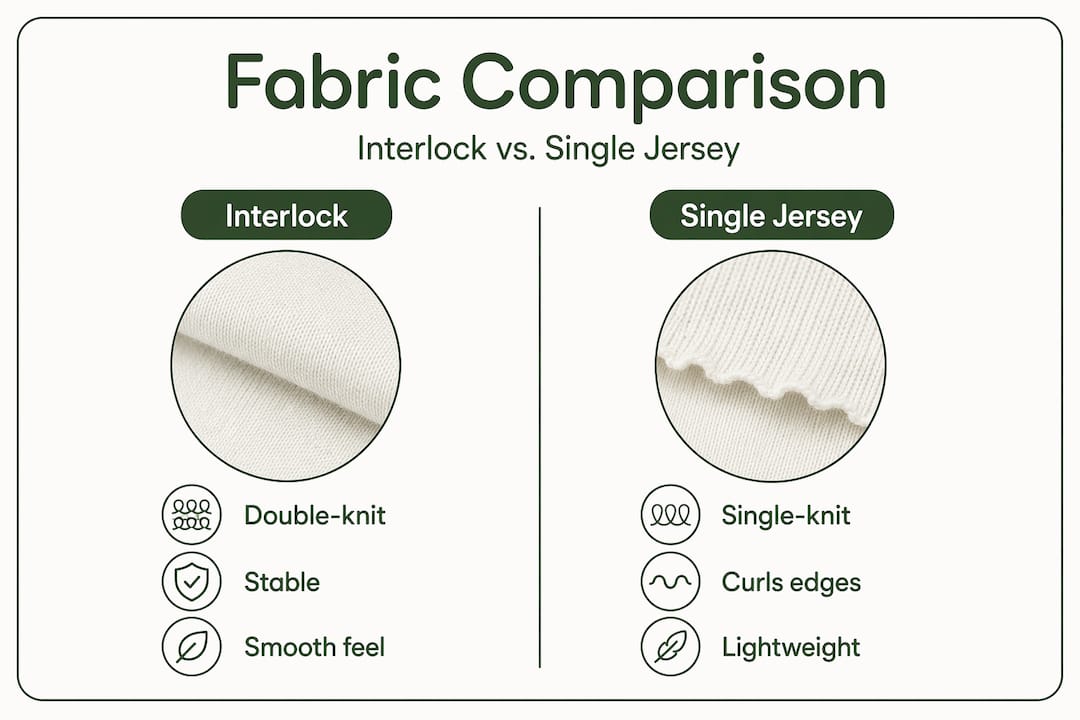
Interlock fabric is a type of double-knit textile made by interlocking two separate layers of single jersey knit together. The result is a fabric that looks and feels the same on both sides, lies completely flat, and has a noticeably stable, smooth hand feel. That structural difference is what separates it from the knits most people are familiar with.
To understand why this matters, compare it to single jersey, the fabric used in most basic T-shirts. Single jersey is knit in one direction, which means it curls at the edges, has a distinct right and wrong side, and stretches more easily in one direction than the other. Rib knit, another common activewear fabric, has visible vertical ridges and excellent two-way stretch but lacks the smooth surface and structural stability that interlock provides.
Interlock’s double-knit structure lays flat and resists curling and distortion, unlike single jersey, which makes it far easier to cut, sew, and wear without the fabric pulling or twisting during movement.
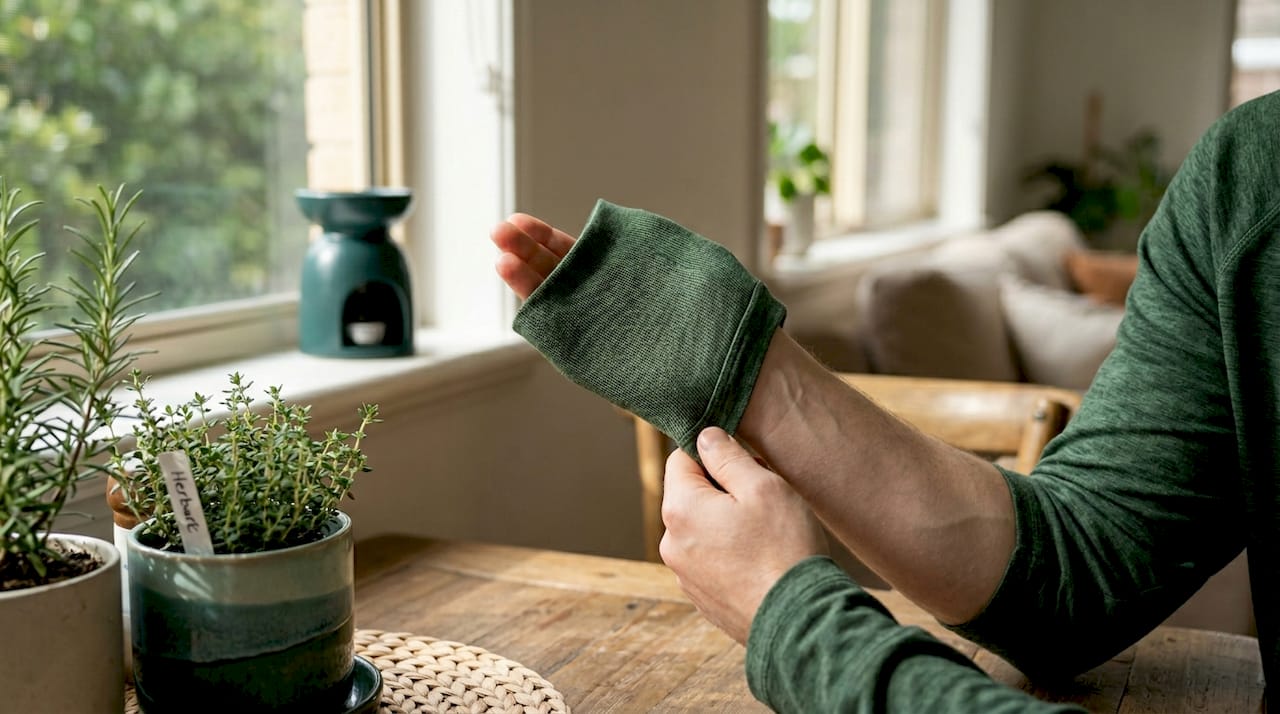
Here is a quick comparison of the three most common knit fabrics used in activewear:
| Fabric type | Structure | Stretch | Surface feel | Best use |
|---|---|---|---|---|
| Single jersey | Single-knit, one layer | High, one-way bias | Smooth front, looped back | Casual tees, lightweight layers |
| Rib knit | Vertical interlocked columns | Very high, two-way | Ridged, textured | Waistbands, cuffs, fitted tops |
| Interlock | Double-knit, two layers | Moderate, stable | Smooth on both sides | Structured tops, leggings, polos |
In terms of weight, interlock typically sits at 180–220 GSM, making it heavier than single jersey but delivering that premium, substantial feel you notice immediately when you pick up a quality activewear piece. That weight is part of why interlock garments hold their structure through repeated wear and washing.
Pro Tip: When shopping for activewear, gently stretch a fabric sample in multiple directions. Interlock will spring back quickly and evenly, while single jersey will distort more easily and feel thinner under tension.
The real benefits of interlock fabric for activewear
The advantages of interlock fabric go well beyond how it looks on a hanger. For fitness enthusiasts who train regularly, the performance properties are what keep them coming back to interlock-based garments.
Softness and surface quality. Because both sides appear identical, smooth, and stable, interlock sits comfortably against skin without the rough or looped texture you sometimes feel on the inside of cheaper knits. This matters enormously for high-movement activities like yoga, pilates, or running, where fabric rubs against skin repeatedly.
Shape retention and resistance to pilling. This is where interlock genuinely stands apart. High-quality interlock fabrics can hold shrinkage below 4% and stay polished after repeated washes. Your leggings won’t bag at the knees after three sessions. Your structured top won’t lose its silhouette after a month of weekly use.
Moisture management (with the right blend). Here is where a common misconception needs addressing. Pure cotton interlock can get heavy and clammy when wet; blends with polyester or spandex, or fabrics treated with hydrophilic finishes, are what deliver actual moisture-wicking performance. The knit structure alone does not wick sweat. The fibre composition does.
“Moisture-wicking performance in interlock activewear relies heavily on fibre composition and finishing treatments, not just knit structure.” — Fabric Atlas Performance Factors
When interlock is blended with polyester and nylon, performance interlock fabrics provide effective moisture-wicking, keeping you dry during intense workouts. Some premium versions also incorporate thermoregulation technology for added climate control.
Durability over time. Because interlock uses more yarn per square metre than single jersey, the fabric is inherently denser and more resistant to wear. Designers select interlock for structured activewear specifically because of this stability, even though it costs more per unit to produce.
Pro Tip: Look for interlock activewear labelled with a polyester-spandex or nylon-spandex blend for the best combination of stretch recovery, moisture management, and long-term shape retention.
Choosing interlock activewear: what to look for
Understanding the fabric is one thing. Knowing how to apply that knowledge when you’re shopping is another. Here is what to consider before you buy.
1. Check the fibre blend first. The label tells you everything. A blend of 92% polyester and 8% spandex in an interlock construction gives you improved stretch recovery and moisture management critical for high-performance activewear. Cotton-dominant interlock is better suited to casual athleisure than serious training.
2. Consider the GSM for your activity. Heavier interlock (around 220 GSM) works well for structured tops, polo-style shirts, and layering pieces. Lighter interlock blends (closer to 180 GSM) suit leggings and fitted training tops where you want some weight but still need freedom of movement.
3. Understand the stretch profile. Interlock offers moderate, stable stretch rather than the extreme stretch of rib knit. This is ideal for garments where you want the fabric to move with you without losing shape, but it is not the right choice if you need maximum compression or very high elasticity.
4. Test before you commit. If you are buying in person, hold the fabric up to light. A tightly constructed interlock will appear even and dense. Pull it gently in four directions. It should recover quickly without distorting. If the fabric goes thin or transparent under tension, the GSM is too low for activewear use.
5. Follow care instructions precisely. Because interlock is heavier and denser than single jersey, it holds heat and moisture longer during washing. Cold water washes on a gentle cycle preserve the fibre integrity and stretch recovery. Avoid high-heat drying, which degrades spandex fibres and causes garments to lose their fit over time.
One myth worth debunking: interlock is not inherently hot or heavy to wear. A well-constructed synthetic interlock blend breathes effectively because the fibre composition and any applied treatments do the thermoregulation work. The weight you feel in your hands does not translate to feeling weighed down during movement.
Pro Tip: Turn interlock activewear inside out before washing. This protects the outer surface from abrasion in the machine and keeps the fabric looking newer for longer.
Where interlock fabric is used in activewear
Interlock is not a one-garment fabric. Its combination of structure, smooth finish, and durability makes it a strong choice across a wide range of activewear and performance apparel categories.
Structured training tops and polo shirts. This is where interlock is most at home. The superior stability and smooth finish make it ideal for polo-style activewear, where the garment needs to hold a collar, sit evenly across the shoulders, and maintain its shape through repeated movement. Premium sport polo designs from performance brands frequently use synthetic interlock for exactly this reason.
Leggings and fitted bottoms. When blended with spandex, interlock delivers the coverage and shape retention that active women need from leggings. The fabric does not go sheer under tension, which is one of the most common complaints about thinner single jersey leggings.
Layering and transition pieces. Interlock’s moderate weight makes it well suited to lightweight jackets, long-sleeve base layers, and transitional pieces worn from the gym to everyday settings. It holds structure without bulk, which is why it works as well in an athleisure context as it does in a training one.
Casual activewear and athleisure. The smooth, polished surface of interlock means garments look put-together rather than purely athletic. This crossover appeal is why so many women’s performance brands use it for pieces designed to move between workout and lifestyle settings.
Here is a summary of common interlock activewear applications:
| Garment type | Why interlock works |
|---|---|
| Sport polo shirts | Holds collar shape, clean finish, structure under movement |
| Training leggings | Shape retention, no sheering, smooth against skin |
| Long-sleeve base layers | Warmth without bulk, smooth layering surface |
| Structured crop tops | Stays in place, polished appearance, durable finish |
| Transitional jackets | Lightweight structure, works for gym-to-street wear |
My honest take on interlock fabric
I’ve spent years working with activewear fabrics, and interlock is one I keep coming back to. Not because it’s flashy or because it has the highest stretch of any knit on the market. Because it is reliable. And reliability in activewear is genuinely underrated.
What I’ve noticed is that most women discover interlock after being burned by cheaper alternatives. The leggings that went see-through. The top that bagged out after four washes. Interlock, particularly in a quality polyester-spandex blend, simply does not do those things. It holds. It recovers. It stays looking good.
The one thing I’d push back on is the idea that heavier always means better. I’ve tested interlock pieces across a wide GSM range, and the sweet spot for most training activities sits around 190–200 GSM. Go much heavier and you start to feel the fabric during high-intensity movement. Go lighter and you lose some of the shape retention that makes interlock worth choosing in the first place.
My practical advice: do not just read the fabric name on a label. Read the full fibre composition. Two garments can both say “interlock” and perform completely differently depending on whether the blend is cotton-dominant or polyester-spandex dominant. The knit structure sets the foundation. The fibres determine the performance.
— Katie
Discover quality interlock activewear at Skoki Maev
If you’ve read this far, you now know more about activewear fabrics than most shoppers ever will. The next step is putting that knowledge to use. At Skoki Maev, the focus is on women’s performance activewear and athleisure pieces built with fabrics that actually deliver on their promises. That means thoughtful fibre blends, construction quality you can feel, and garments designed to move with you through training and beyond.
Explore the Skoki Maev activewear collection to find pieces that combine the structure and durability of quality interlock construction with the fit and finish that serious training demands. For a look at how premium performance brands apply interlock in sport polo design, the Adidas Sport Polo at Golf Blab is a strong real-world reference point.
FAQ
What is interlock fabric in activewear?
Interlock fabric is a double-knit textile made from two interlocked layers of knit, creating a smooth, stable surface on both sides. In activewear, it is valued for its shape retention, smooth feel against skin, and durability through repeated use and washing.
Is interlock fabric breathable for workouts?
Interlock fabric’s breathability depends on its fibre composition, not the knit structure alone. Synthetic blends using polyester and spandex, or fabrics with hydrophilic treatments, provide effective moisture management and breathability during intense exercise.
How does interlock differ from single jersey in activewear?
Single jersey is a single-layer knit with high one-way stretch that curls at the edges and has a distinct right and wrong side. Interlock is a double-knit that lies flat, resists curling, and offers a smooth surface on both sides with more stable, even stretch.
What GSM is best for interlock activewear?
Interlock activewear typically uses fabric weighing between 180 and 220 GSM. Around 190 to 200 GSM suits most training garments, offering the right balance of structure, coverage, and freedom of movement without feeling heavy during exercise.
Can I machine wash interlock activewear?
Yes, but use cold water on a gentle cycle and avoid high-heat drying. Heat degrades spandex fibres in the blend and causes garments to lose their stretch recovery and shape over time. Turning garments inside out before washing also extends their life.