Cross-training apparel: Your guide to versatile workout wear
If you’ve ever shown up to a yoga class in running tights that refused to stretch past your hips, or worn a flimsy sports bra to a HIIT session only to spend half the class adjusting it, you already know the problem. Not all workout gear is created equal, and wearing the wrong kit for the wrong activity can genuinely hold back your performance. Cross-training apparel exists to fix exactly this, giving you one wardrobe of high-performance pieces that move with you through every session, every day of the week.
Table of Contents
- What is cross-training apparel?
- Key qualities to look for in cross-training apparel
- Cross-training vs. single-sport workout clothing
- How to choose the right cross-training attire for your activities
- Our take: Why most women overlook cross-training apparel’s real benefits
- Explore versatile cross-training apparel with us
- Frequently asked questions
Key Takeaways
| Point | Details |
|---|---|
| Versatile workout wear | Cross-training apparel is made to handle multiple fitness activities with ease. |
| Key performance features | Stretch, moisture-wicking, and stability are essential for top cross-training gear. |
| Comparing clothing types | Cross-training apparel offers greater versatility than specialised workout gear. |
| Practical selection tips | Choose based on movement demands and check stability before buying. |
| Expert perspective | Most women overlook performance attributes but they are crucial for comfort and results. |
What is cross-training apparel?
Cross-training apparel refers to workout clothing specifically designed to perform well across multiple types of physical activity. Unlike single-sport gear built for one movement pattern, cross-training pieces are engineered to handle the demands of running, yoga, strength training, HIIT, Pilates, and more, all without compromising on comfort or function.
Think of it this way. A pair of running tights is cut for forward momentum. A yoga legging is cut for deep hip flexion and floor work. Cross-training leggings are designed to do both, using fabrics and construction techniques that allow a full range of motion in every direction.
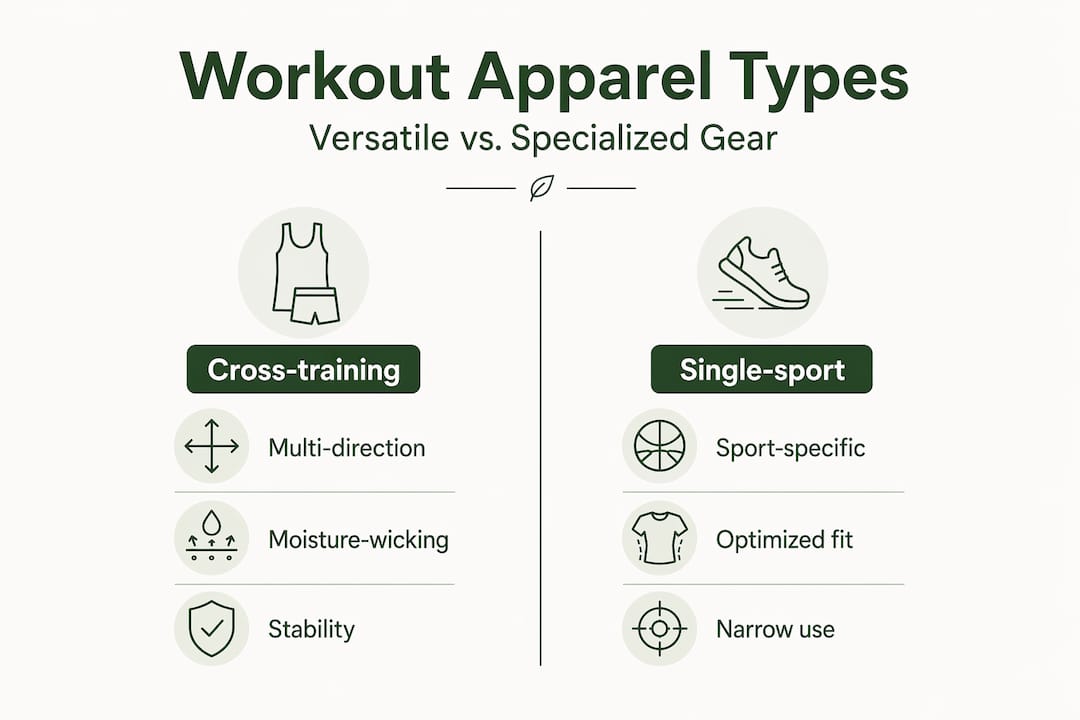
The four defining features of cross-training apparel are:
- Multi-activity design that suits varied movement patterns, from lateral shuffles to overhead presses
- Four-way stretch fabrics that move with your body rather than pulling or restricting
- Moisture-wicking technology that draws sweat away from your skin during high-intensity efforts
- Structural stability in waistbands, bra bands, and seam placements to keep everything in place
Selecting apparel based on movement demands and verifying key performance attributes is crucial when building a workout wardrobe that genuinely works for you.
Cross-training apparel typically covers activities like running, yoga, HIIT, cycling, barre, and strength training. The goal is fewer outfit changes, less wardrobe clutter, and more time actually working out.
Key qualities to look for in cross-training apparel
With a clear sense of what cross-training apparel is, let’s focus on what makes the best gear stand out from the average activewear hanging on a rack.
Movement adaptability is the starting point. Your outfit needs to handle lateral movements like side lunges and shuffle steps, forward movements like sprints and deadlifts, overhead movements like shoulder presses and sun salutations, and deep squat positions. If your leggings roll down during a squat or your top rides up during a lunge, that’s a fit failure, not a you problem.
Performance fabrics are what separate genuinely functional gear from clothing that just looks the part. Look for:
- Four-way stretch that recovers its shape after every rep
- Moisture-wicking fibres that pull sweat to the surface where it can evaporate
- Breathable mesh panels in high-heat zones like the back and underarms
- Flatlock seams that sit flush against the skin to prevent chafing during longer sessions
- Quick-dry finishes that keep you comfortable through back-to-back activities
Stability is often underestimated. A sports bra that shifts during box jumps, or a waistband that folds over during a forward fold, creates constant distraction. Stretch, mobility, moisture-wicking, and stability are the four non-negotiables when assessing any cross-training piece. Your bra band should stay anchored, and your waistband should sit exactly where you put it, whether you’re mid-sprint or mid-warrior pose.
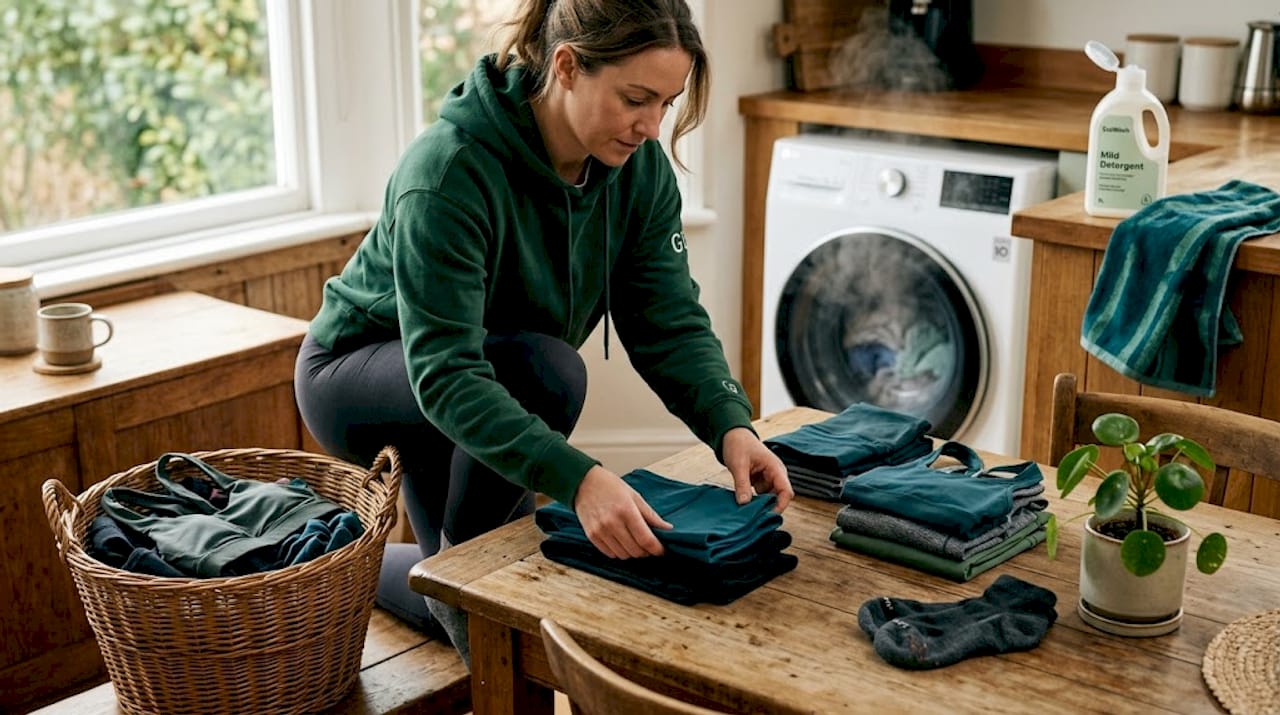
Durability and easy care matter more than most people realise. Cross-training pieces get washed frequently because they’re worn frequently. Look for fabrics that resist pilling, hold their shape through repeated washing, and don’t fade after a few cycles. Checking the care label before you buy is a simple habit that saves you from replacing gear too soon.
Pro Tip: Before you commit to any new piece of cross-training apparel, run through a quick movement test. Do a squat, a lateral lunge, a forward fold, and a jumping jack. If anything shifts, slips, or restricts, it won’t perform better during an actual session. This applies to both in-store shopping and at-home try-ons.
Understanding the qualities for varied workouts helps you shop with purpose rather than impulse, and it means every piece you add to your wardrobe earns its place.
Cross-training vs. single-sport workout clothing
After understanding core qualities, it’s helpful to distinguish cross-training apparel from specialised sports gear, because both have a place in a smart wardrobe.
Single-sport clothing is purpose-built. A triathlon suit is designed for water, cycling, and running in sequence. A gymnastics leotard is cut for extreme flexibility and aesthetic lines. A compression running tight is engineered for forward-motion biomechanics and muscle support during sustained cardio. These pieces excel in their specific context, but they often fall short the moment you step outside it.
Cross-training apparel trades some of that extreme specialisation for broad versatility. The trade-off is worth it for most active women who train across multiple disciplines throughout the week.
| Feature | Cross-training apparel | Single-sport clothing |
|---|---|---|
| Movement range | Multi-directional | Optimised for one pattern |
| Suitable activities | 3 or more | 1 to 2 |
| Fabric technology | Balanced stretch and wick | Specialised for sport |
| Wardrobe cost | Lower overall | Higher per activity |
| Convenience | High | Low for varied training |
| Performance ceiling | Very good across all | Excellent for one sport |
Apparel should be chosen based on movement and expected impact for optimal performance, which is why knowing your weekly training mix matters before you buy anything.
The crossover pieces that deliver the most value are leggings with a high, stable waistband, medium to high-impact sports bras, and lightweight training tops with built-in stretch. Shoes are a different conversation, since footwear tends to be more activity-specific, but for clothing, cross-training pieces genuinely cover most of what active women need on a daily basis.
A useful comparison to keep in mind: just as cycling accessories are designed with the specific demands of cycling in mind, your workout clothing should match the specific demands of your training. The difference is that cross-training apparel is built to match several demands at once.
When does single-sport clothing win? When you’re training seriously for one discipline, competing, or when safety depends on specialised design. For everything else, versatile cross-training pieces are the smarter, more practical choice.
How to choose the right cross-training attire for your activities
Knowing the differences, let’s look at real steps for picking gear that matches your workout mix and avoids the common mistakes that lead to a drawer full of clothes you never wear.
Step 1: Map your weekly training routine. Write down every activity you do in a typical week. Running three times, yoga twice, and one strength session? That’s your baseline. Your gear needs to cover all three without compromise.
Step 2: Identify the most demanding movement in each activity. Running demands forward propulsion and sweat management. Yoga demands deep flexion and zero waistband roll. Strength training demands stability and squat-proof fabric. Your shortlist of gear should tick every box across your list.
Step 3: Check the fabric specs, not just the feel. Feeling a fabric in-store tells you very little about how it performs under sweat and movement. Look for specific fabric claims: four-way stretch, moisture-wicking, anti-odour, and quick-dry. These are functional, not just marketing language.
Step 4: Test before you commit. Use the movement test described earlier. Squat, lunge, stretch overhead, and do a few jumping jacks. If the waistband rolls, the bra shifts, or the fabric pulls, move on.
Step 5: Check the care instructions. If a piece requires hand washing or air drying only, factor that into your decision. Cross-training apparel gets a lot of use, and it needs to survive machine washing regularly.
Here’s a quick reference to match activities to key apparel attributes:
| Activity | Key fabric need | Stability priority | Stretch direction |
|---|---|---|---|
| Running | Moisture-wicking, quick-dry | High-impact bra support | Forward and vertical |
| Yoga | Soft, opaque, breathable | Waistband grip | Multi-directional |
| HIIT | Moisture-wicking, anti-chafe | Full bra and waistband | All directions |
| Strength training | Squat-proof, durable | Waistband stability | Deep squat range |
| Barre or Pilates | Lightweight, form-fitting | Low to medium bra | Lateral and deep flex |
Common buying pitfalls to avoid: choosing based on colour or style alone, buying a size down thinking it will “hold everything in” (it won’t, it’ll just restrict movement), ignoring the waistband height for your specific activities, and overlooking seam placement in areas prone to chafing.
Movement demand and performance attributes should guide every purchase decision you make. Style matters, but it should come after function, not before it.
For more specialised training gear, particularly if you’re adding rowing or water-based activities to your routine, exploring rowing gear options can help you understand how purpose-built design compares to versatile cross-training pieces.
Our take: Why most women overlook cross-training apparel’s real benefits
Here’s the uncomfortable truth: most women choose gear by style or trend, not by movement demands or performance stability. And we get it. Activewear has never looked better. The colours, the prints, the silhouettes are genuinely exciting right now. But buying on aesthetics alone is how you end up with a wardrobe full of beautiful pieces that fail you mid-session.
What we’ve seen, time and again, is that women who approach their workout wardrobe the way they approach their training, with intention and analysis, get dramatically more value from every piece they own. They buy less. They replace less. And they perform better because their gear isn’t fighting them.
The real benefit of cross-training apparel isn’t just convenience. It’s the mental clarity of knowing your outfit won’t be a problem. When your waistband stays put, your bra doesn’t shift, and your leggings move with you through every exercise, you stop thinking about your clothes and start focusing on your workout. That’s a genuine performance advantage.
Our advice is to audit your current wardrobe with fresh eyes. Pull out every piece of activewear and ask one question: does this work for more than one activity? If the answer is no, that piece is a specialist, and you should know when and why you’re reaching for it. If you find you have mostly specialists and very few versatile pieces, that’s your gap. Fill it with well-made cross-training apparel built for the way you actually train, not the way you imagine you might train one day.
Fabric and fit will always matter more than the latest trend. That’s not a boring take. That’s the lesson that saves you money and improves your sessions.
Explore versatile cross-training apparel with us
If this guide has helped you think differently about your workout wardrobe, the next step is finding pieces that actually deliver on everything we’ve covered. At Skoki Maev, we design women’s performance activewear with exactly this in mind: versatile, high-quality pieces that move with you through running, yoga, strength training, and everything in between.
Our range is built around the qualities that matter most, four-way stretch, moisture-wicking fabrics, stable waistbands, and designs that perform as well as they look. Whether you’re building your first cross-training wardrobe or filling the gaps in an existing one, explore our activewear collections to find pieces that genuinely earn their place in your rotation. Because the right gear doesn’t just look good. It makes every session better.
Frequently asked questions
Can I use cross-training apparel for both yoga and running?
Yes, cross-training apparel is designed for movement adaptability, making it well-suited for both yoga’s deep flexion demands and running’s forward-motion and sweat management needs.
How do I know if my sports bra is stable enough for high impact?
Test it with jumping jacks or quick lateral movements before your session. Stay-put stability in bras and waistbands is a core feature of quality cross-training apparel, and any shifting during a simple movement test is a clear sign to size up or try a different style.
Is cross-training apparel more expensive than standard workout clothes?
Often, versatile cross-training pieces cost a little more upfront due to advanced fabric technology and construction, but the value comes from covering multiple activities with fewer total pieces, which means you spend less overall on your wardrobe.
What performance features should I always check before buying?
The essentials are stretch, moisture-wicking, and stability for bras and waistbands. These three attributes determine whether a piece will perform across varied activities or let you down mid-session.